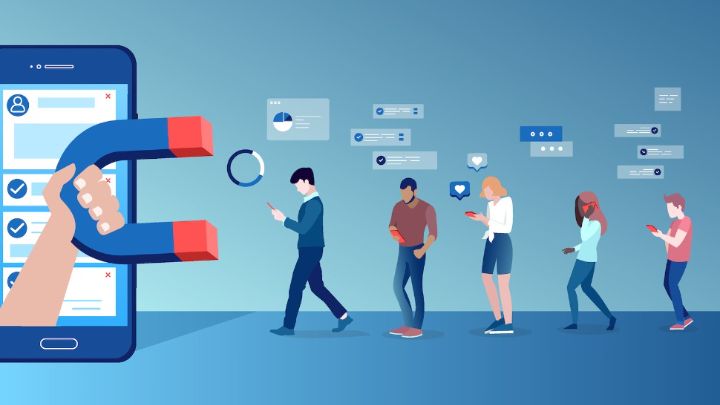
Many businesses focus heavily on attracting new customers. While customer acquisition is important, retaining existing customers is often more profitable and sustainable. A loyal customer is more likely to make repeat purchases, recommend your business to others, and spend more over time.
Think about your favorite coffee shop, online store, or local service provider. You probably continue buying from them because of positive experiences, trust, and convenience. The same principles apply to every successful business.
Customer retention is not just about keeping customers. It is about building relationships that create long term value for both the customer and the business.
This guide explores practical customer retention strategies that can help increase revenue and strengthen your business in 2026.
Why Customer Retention Matters
Many business owners underestimate the value of existing customers.
Acquiring new customers often requires significant investments in advertising, promotions, and marketing campaigns.
Existing customers already know your brand.
They are generally easier to sell to because trust has already been established.
Benefits of strong customer retention include:
- Increased revenue
- Lower marketing costs
- Higher customer lifetime value
- More referrals
- Improved brand reputation
- Greater business stability
Businesses that focus on retention often experience more predictable growth.
Understanding Customer Retention
Customer retention refers to a company’s ability to keep customers returning over time.
A high retention rate usually indicates customer satisfaction and loyalty.
A low retention rate may suggest issues with products, services, pricing, or customer experience.
Before improving retention, it is important to understand why customers stay and why they leave.
Deliver Exceptional Customer Service
Customer service remains one of the most powerful retention tools.
People remember how a business treats them.
A positive experience can turn a one time buyer into a long term customer.
Ways to Improve Customer Service
- Respond quickly to inquiries
- Listen actively to customer concerns
- Resolve problems efficiently
- Maintain professionalism
- Follow up after purchases
Imagine ordering a product online and receiving immediate support when a problem occurs.
That experience builds trust and increases the likelihood of future purchases.
Create a Great First Impression
Customer retention begins with the first interaction.
Many businesses focus on closing the sale but overlook the onboarding experience.
First impressions often determine whether customers return.
Important Areas to Focus On
- Easy purchasing process
- Clear communication
- Fast delivery
- Helpful instructions
- Friendly support
A smooth first experience encourages customers to continue engaging with your business.
Build Strong Customer Relationships
People prefer doing business with companies they trust.
Strong relationships create emotional connections that go beyond products and pricing.
Relationship Building Techniques
- Personalize communication
- Remember customer preferences
- Celebrate milestones
- Show appreciation
- Engage regularly
Simple gestures can make customers feel valued.
Personalize the Customer Experience
Modern customers expect personalized experiences.
Generic messages often fail to create meaningful engagement.
Examples of Personalization
- Product recommendations
- Customized emails
- Personalized offers
- Relevant content
- Birthday promotions
When customers feel understood, they are more likely to remain loyal.
Implement a Customer Loyalty Program
Loyalty programs reward repeat customers for continued business.
These programs encourage customers to choose your brand over competitors.
Popular Loyalty Rewards
- Points systems
- Discounts
- Exclusive offers
- Free products
- Early access to promotions
Even simple loyalty programs can improve retention rates significantly.
Communicate Consistently
Many businesses only contact customers when trying to make a sale.
Consistent communication helps maintain relationships and keep your brand top of mind.
Effective Communication Channels
- Email newsletters
- Social media
- SMS updates
- Customer communities
- Educational content
The goal is to provide value rather than constantly promote products.
Focus on Customer Feedback
Customer feedback provides valuable insights into what is working and what needs improvement.
Businesses that listen to customers often identify issues before they become major problems.
Ways to Collect Feedback
- Surveys
- Reviews
- Customer interviews
- Social media comments
- Support interactions
Feedback should be viewed as an opportunity to improve.
Act on Customer Suggestions
Collecting feedback is only the first step.
Customers appreciate seeing their suggestions implemented.
When businesses act on feedback, they demonstrate that customer opinions matter.
This strengthens trust and loyalty.
Improve Product and Service Quality
Even excellent marketing cannot compensate for poor quality.
Customers stay when products and services consistently meet or exceed expectations.
Areas to Evaluate Regularly
- Product performance
- Service delivery
- Reliability
- Ease of use
- Customer satisfaction
Continuous improvement supports long term retention.
Provide Ongoing Value
Retention is easier when customers continue receiving value after the initial purchase.
Ways to Deliver Additional Value
- Educational resources
- Helpful guides
- Exclusive content
- Product updates
- Community support
Value driven businesses often build stronger customer relationships.
Use Email Marketing Effectively
Email remains one of the most effective retention tools.
It provides direct communication with customers and supports long term engagement.
Email Content Ideas
- Helpful tips
- Product updates
- Customer success stories
- Special offers
- Industry insights
Relevant content keeps customers interested.
Reward Long Term Customers
Long term customers deserve recognition.
Many businesses focus heavily on attracting new customers while neglecting loyal ones.
Ways to Show Appreciation
- Exclusive discounts
- VIP programs
- Early product access
- Personalized rewards
- Thank you messages
Recognition strengthens customer relationships.
Build Trust Through Transparency
Trust is a key factor in customer retention.
Customers want honesty and clear communication.
Examples of Transparency
- Clear pricing
- Honest policies
- Open communication
- Accurate information
- Prompt issue resolution
Businesses that prioritize transparency often earn long term loyalty.
Create a Seamless Customer Experience
Every interaction shapes the customer experience.
Confusing processes can frustrate customers and encourage them to leave.
Areas to Simplify
- Website navigation
- Checkout process
- Customer support
- Product information
- Account management
Convenience plays a major role in retention.
Develop a Strong Brand Community
Customers often remain loyal when they feel connected to a larger community.
Communities encourage engagement and create emotional connections.
Community Building Ideas
- Online groups
- Events
- Forums
- Educational webinars
- Customer success stories
Strong communities often increase retention naturally.
Monitor Customer Retention Metrics
Tracking data helps businesses measure retention performance.
Without measurement, improvement becomes difficult.
Important Metrics
- Retention rate
- Repeat purchase rate
- Customer lifetime value
- Churn rate
- Customer satisfaction scores
These metrics provide valuable insights.
Common Reasons Customers Leave
Understanding customer departures helps prevent future losses.
Common Causes
- Poor customer service
- Low product quality
- Lack of communication
- Better competitor offers
- Unresolved issues
Identifying patterns allows businesses to take corrective action.
Mistakes Businesses Make With Retention
Some businesses unintentionally push customers away.
Avoid these common mistakes:
- Ignoring customer feedback
- Overpromising and underdelivering
- Inconsistent service quality
- Lack of personalization
- Focusing only on new customers
Retention requires ongoing effort and attention.
How Retention Increases Revenue
Customer retention directly impacts profitability.
Returning customers often spend more and require less marketing investment.
They are also more likely to recommend your business to friends and family.
This creates a cycle of growth that benefits the entire business.
Over time, strong retention strategies can become a major competitive advantage.
Future Trends in Customer Retention
Customer expectations continue evolving.
Businesses that adapt will be better positioned for success.
Emerging trends include:
- AI powered personalization
- Predictive customer insights
- Enhanced loyalty programs
- Omnichannel communication
- Community driven engagement
Staying ahead of these trends can improve long term retention results.
Need Help Improving Customer Loyalty?
Building customer loyalty takes strategy, consistency, and a commitment to delivering value.
If you need support with customer retention, digital marketing, or business growth strategies, feel free to reach out to us through our Contact Us page for expert assistance.
Frequently Asked Questions
What is customer retention?
Customer retention refers to a business’s ability to keep customers returning over time. High retention often indicates strong customer satisfaction and loyalty.
Why is customer retention important?
Retaining customers is generally more cost effective than acquiring new ones. Loyal customers often spend more and generate referrals.
How can small businesses improve customer retention?
Small businesses can improve retention by providing excellent customer service, personalizing experiences, collecting feedback, and rewarding loyal customers.
What is a customer loyalty program?
A customer loyalty program rewards repeat customers through points, discounts, exclusive offers, or other incentives designed to encourage continued purchases.
How do you measure customer retention?
Businesses typically track metrics such as retention rate, repeat purchase rate, customer lifetime value, and customer satisfaction scores.
What is the biggest reason customers leave a business?
Poor customer experiences are among the most common reasons customers leave. This can include poor service, low product quality, lack of communication, or unresolved problems.