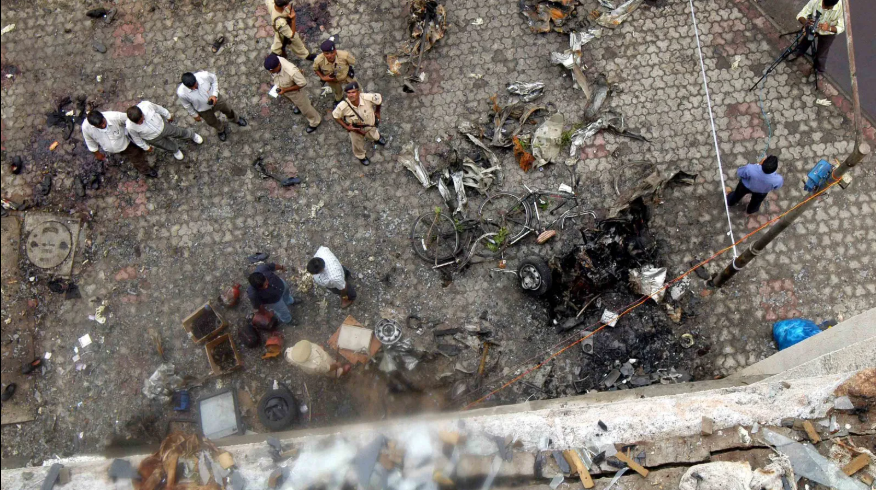
The Ahmedabad blast case verdict 2026 has finally come from the Gujarat High Court, bringing a sense of closure to one of the most painful chapters in Gujarat’s recent history. On July 10, 2026, the court delivered its ruling on the appeals filed by the convicts in the 2008 Ahmedabad serial blasts case, which had claimed 56 innocent lives and left over 200 people injured. Whether you are a law student, a concerned citizen, or someone who simply wants to understand what this verdict means without reading hundreds of pages of legal text, this guide breaks everything down into plain and simple language.
Ahmedabad Blast Case Verdict 2026: What Did the Court Decide?
The Ahmedabad blast case verdict 2026 upheld the death sentences of 20 convicts while commuting the sentences of 18 others to life imprisonment. This means the Gujarat High Court agreed with the trial court that 20 of the accused deserved the harshest possible punishment under Indian law.
Here is the complete breakdown of the verdict:
- Death Sentence Upheld: 20 convicts will face capital punishment as originally ordered by the special trial court.
- Death Sentence Commuted: 18 convicts saw their death sentences reduced to life imprisonment, meaning they will spend the rest of their lives in jail without the possibility of release.
- Acquittals: 11 accused who were convicted by the trial court were acquitted by the High Court due to lack of sufficient evidence.
- Convictions Upheld: The overall conspiracy conviction against the Indian Mujahideen module was upheld in its entirety.
Justice R.M. Chhaya, who headed the division bench, stated in the judgment that the attacks were not just crimes against individuals but an assault on the entire nation’s social fabric.
Gujarat High Court Verdict 2008 Ahmedabad Blasts: Background You Need to Know
To truly understand the Gujarat High Court verdict 2008 Ahmedabad blasts, you need to know what happened on that terrible day in 2008. On July 26, 2008, between 6:45 PM and 7:15 PM, a series of 21 bomb blasts ripped through Ahmedabad within a span of just 30 minutes.
The targets included:
- Civil Hospital: A bomb exploded near the trauma center where victims of the first blasts were being brought.
- Bus Stops: Multiple bombs were planted at crowded BRTS bus stops during evening rush hour.
- Markets: Sarangpur market and other busy commercial areas were hit.
- Government Buildings: The Gujarat state transport office and other official premises were targeted.
- Religious Sites: Some blasts occurred near temples and other places of worship.
The death toll eventually reached 56, with over 200 people sustaining injuries of varying severity. The sheer coordination and scale of the attack shocked the entire nation.
Ahmedabad Serial Blasts 38 Death Sentence: Trial Court’s Original Order
The Ahmedabad serial blasts 38 death sentence was originally pronounced by a special trial court in 2022. This made it one of the highest number of death sentences handed down in a single case in Indian judicial history.
The trial court found 49 accused guilty of various charges including:
- Waging War Against the Nation: Under Section 121 of the Indian Penal Code.
- Murder: Under Section 302 of the IPC for each death caused.
- Criminal Conspiracy: Under Section 120B of the IPC.
- Unlawful Activities Prevention Act: For terrorist activities and membership of a banned organization.
- Explosives Act: For possession and use of explosives.
The trial court sentenced 38 convicts to death and awarded life imprisonment to 11 others. This verdict was automatically appealed to the Gujarat High Court as per Indian law, which mandates that all death sentences must be confirmed by a High Court.
2008 Ahmedabad Blasts Case Explained: Who Was Behind the Attacks?
The 2008 Ahmedabad blasts case explained in simple terms points to the Indian Mujahideen, a terrorist organization that claimed responsibility through emails sent to media houses shortly after the blasts. The investigation revealed a complex conspiracy that had been months in the making.
Here is how the plot unfolded:
- Planning Phase: The conspiracy began in early 2008 when operatives of the Indian Mujahideen started recruiting young men from various parts of India.
- Training: Selected recruits were sent to Pakistan for training in explosives and weapons handling.
- Material Procurement: Bomb making materials including ammonium nitrate, timers, and electronic circuits were sourced from multiple states.
- Assembly: Improvised explosive devices were assembled in safe houses across Gujarat and neighboring states.
- Execution: On July 26, 2008, teams of operatives planted bombs at predetermined locations and triggered them using mobile phone timers.
The investigation was led by the Gujarat Anti Terrorist Squad with assistance from central agencies including the National Investigation Agency. Over 100 witnesses were examined during the trial, and thousands of pages of evidence were presented.
Indian Mujahideen Ahmedabad Blast Case: Organization and Motive
Understanding the Indian Mujahideen Ahmedabad blast case requires looking at the ideology and structure of the terrorist group responsible. The Indian Mujahideen emerged in the mid 2000s as a homegrown terrorist outfit with links to Pakistan based groups like Lashkar e Taiba and Jaish e Mohammed.
Their stated motives included:
- Retaliation for 2002 Gujarat Riots: The group specifically mentioned the 2002 communal violence in Gujarat as motivation for targeting the state.
- Revenge for Encounters: They cited alleged fake encounter killings of Muslim youth by Gujarat Police as another reason.
- Establishment of Islamic Rule: Like other terrorist organizations, they aimed to establish Islamic rule in India through violence.
- Recruitment Tool: High profile attacks helped them attract new recruits and funding.
The Gujarat High Court noted in its verdict that while grievances may exist in any society, there can never be any justification for targeting innocent civilians including women, children, and hospital patients.
Ahmedabad Blast Case Supreme Court Appeal: What Happens Next?
The Ahmedabad blast case Supreme Court appeal is the next legal step for the 20 convicts who have been sentenced to death. Under Indian law, any death sentence confirmed by a High Court can be appealed to the Supreme Court of India.
Here is what the appeal process will look like:
- Filing Appeals: The convicts have 30 days from the High Court verdict to file special leave petitions before the Supreme Court.
- Legal Aid: Those who cannot afford lawyers will be provided legal aid by the state.
- Review Process: The Supreme Court will examine both the evidence and the legal principles applied by the lower courts.
- Curative Petition: Even if the Supreme Court upholds the death sentences, convicts can file curative petitions as a last resort.
- Mercy Petition: Finally, convicts can approach the President of India seeking clemency.
Legal experts estimate that the entire process could take several years. India’s judicial system allows multiple layers of review in death penalty cases to ensure that no innocent person is executed.
How the Verdict Impacts Victims and Their Families
For the families who lost loved ones in the 2008 blasts, the Ahmedabad blast case verdict 2026 brings a mix of relief and continued pain. Many have waited nearly 18 years for this moment.
- Justice Served: Families feel that the convicts have finally been held accountable for their actions.
- Closure: While nothing can bring back the dead, the legal closure helps families move forward.
- Compensation: The Gujarat government had already paid compensation to victims, but some families continue to struggle with medical expenses for those permanently disabled.
- Memorial: A memorial for blast victims was inaugurated in Ahmedabad in 2015, where families gather every year on July 26.
Several victim family members were present in court when the verdict was delivered. Their reactions ranged from tears of relief to quiet prayers for their departed loved ones.
Key Legal Principles from the Verdict
The Gujarat High Court’s judgment contains important legal observations that will guide future terrorism cases:
- Conspiracy Liability: The court reinforced that every member of a terrorist conspiracy is equally liable regardless of their specific role in execution.
- Circumstantial Evidence: In cases where direct evidence is scarce, strong circumstantial evidence can lead to conviction if it forms a complete chain.
- Confessional Statements: Statements recorded before police officers under special anti terror laws carry evidentiary value.
- Death Penalty Rationale: The court cited the rarest of rare doctrine, noting that attacks on hospitals and public places deserve maximum punishment.
These principles will be cited in future judgments involving terrorism and organized crime.
What This Verdict Means for India’s Fight Against Terrorism
Beyond the specific case, this verdict sends several important messages:
- Justice Takes Time But Comes: The 18 year journey from crime to final High Court verdict shows that India’s legal system, while slow, eventually delivers.
- Terrorism Has No Justification: The court’s strong language makes clear that no political or religious grievance can justify killing innocents.
- Agencies Can Work Together: The successful prosecution resulted from cooperation between Gujarat ATS, NIA, and other central agencies.
- Judicial Independence: Despite political pressures and public emotions, the court examined evidence objectively and acquitted 11 accused where proof was insufficient.
How to Stay Updated on Further Developments
If you want to follow the next stages of this case, here are reliable sources:
- Supreme Court Website: All appeal filings and orders will be published on the official SCI website.
- Gujarat High Court Website: The full judgment text is available for download.
- News Agencies: PTI, ANI, and reliable newspapers provide accurate updates.
- Legal Blogs: Several Indian legal websites analyze important judgments in accessible language.
If you need help understanding any legal terms or procedures related to this case, you can always reach out to us and we will explain it in simple words.
Frequently Asked Questions
What is the Ahmedabad blast case verdict 2026?
The Ahmedabad blast case verdict 2026 was delivered by the Gujarat High Court on July 10, 2026. The court upheld death sentences for 20 convicts while commuting 18 other death sentences to life imprisonment. Eleven accused were acquitted due to insufficient evidence. The verdict relates to the 2008 serial blasts in Ahmedabad that killed 56 people and injured over 200.
What was the Gujarat High Court verdict on 2008 Ahmedabad blasts?
The Gujarat High Court verdict on 2008 Ahmedabad blasts upheld the death sentences of 20 convicts and commuted 18 others to life imprisonment. Eleven accused were acquitted. The court confirmed that the attacks were carried out by the Indian Mujahideen terrorist group and represented a grave assault on the nation’s social fabric. The judgment runs into hundreds of pages and examines evidence from over 100 witnesses.
How many death sentences were given in Ahmedabad serial blasts case?
The Ahmedabad serial blasts case originally saw 38 death sentences handed down by the trial court in 2022. In the 2026 Gujarat High Court verdict, 20 of these death sentences were upheld while 18 were commuted to life imprisonment. This makes it one of the cases with the highest number of death sentences in Indian judicial history. The 20 convicts facing death can now appeal to the Supreme Court.
Who was behind the 2008 Ahmedabad blasts?
The 2008 Ahmedabad blasts were carried out by the Indian Mujahideen, a homegrown terrorist organization with links to Pakistan based militant groups. The group claimed responsibility through emails sent to media houses shortly after the attacks. Their stated motives included retaliation for the 2002 Gujarat riots and alleged fake encounter killings. The Gujarat High Court upheld the conspiracy conviction against the Indian Mujahideen module involved in planning and executing the attacks.
Can the Ahmedabad blast case convicts appeal to the Supreme Court?
Yes, the 20 convicts who have been sentenced to death can file appeals before the Supreme Court of India. Under Indian law, all death sentences confirmed by a High Court must be reviewed by the Supreme Court. The convicts have 30 days from the High Court verdict date to file their appeals. Even if the Supreme Court upholds the sentences, they can file curative petitions and mercy petitions before the President.
What is the Indian Mujahideen Ahmedabad blast case?
The Indian Mujahideen Ahmedabad blast case refers to the prosecution of terrorists belonging to the Indian Mujahideen group for carrying out 21 coordinated bomb blasts in Ahmedabad on July 26, 2008. The attacks killed 56 people and injured over 200. Investigations revealed that the group recruited young men, sent them for training in Pakistan, and executed the attacks to avenge the 2002 Gujarat riots. The case resulted in 49 convictions and has now been largely upheld by the Gujarat High Court.