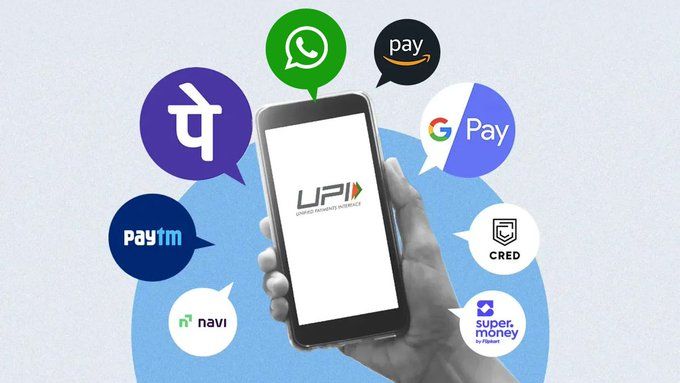
A few years ago, paying someone often meant carrying cash, visiting an ATM, or waiting for bank transfers to process. Today, a simple scan and a few taps on a smartphone can complete a payment within seconds.
This transformation has largely been driven by UPI, which stands for Unified Payments Interface. UPI has revolutionized the way Indians send money, pay bills, shop online, and conduct business transactions.
From small street vendors to large corporations, millions of people now rely on UPI every day. This guide explores how UPI changed digital payments in India and why it has become one of the country’s most successful financial innovations.
What Is UPI?
UPI is a real time payment system that allows users to transfer money directly between bank accounts using a mobile device.
Instead of entering lengthy bank account details, users can send money through a simple UPI ID, phone number, or QR code.
The system makes digital payments fast, convenient, and secure.
Key Features of UPI
UPI offers:
- Instant money transfers
- Twenty four hour availability
- Direct bank to bank transactions
- QR code payments
- Bill payments
- Merchant transactions
These features have made UPI accessible to people across different age groups and backgrounds.
Digital Payments Before UPI
Before UPI became popular, digital payments were often more complicated.
People relied on methods such as:
- Cash transactions
- Debit cards
- Credit cards
- Bank transfers
- Mobile wallets
Many of these methods involved additional steps, fees, or delays.
For example, transferring money between banks sometimes required entering account numbers, IFSC codes, and other details.
UPI simplified this process dramatically.
Why UPI Became So Popular
Several factors contributed to the rapid adoption of UPI across India.
Easy to Use
One of the biggest reasons for its success is simplicity.
Users can send money within seconds using a smartphone.
Even first time users often find the process easy to understand.
Instant Transactions
Traditional bank transfers could take time depending on the payment method.
UPI transactions are usually completed almost immediately.
This convenience encourages frequent usage.
No Need to Carry Cash
Many people now leave home without carrying large amounts of cash.
A smartphone and internet connection are often enough for daily transactions.
Wide Acceptance
Today, UPI is accepted by:
- Grocery stores
- Restaurants
- Pharmacies
- Street vendors
- Online retailers
- Service providers
Its widespread availability has accelerated adoption.
Impact on Small Businesses
Small businesses have benefited significantly from UPI.
Accepting digital payments no longer requires expensive equipment or complicated setups.
Benefits for Business Owners
UPI helps businesses:
- Receive payments instantly
- Reduce cash handling
- Improve transaction records
- Increase customer convenience
- Support faster checkouts
A small tea stall can now accept digital payments just as easily as a large retail chain.
Benefits for Consumers
Consumers have embraced UPI because it simplifies daily life.
Instead of carrying cash or worrying about exact change, payments can be completed in seconds.
Popular Consumer Uses
People use UPI for:
- Shopping
- Utility bills
- Mobile recharges
- Restaurant payments
- Rent transfers
- Online purchases
The convenience factor has made UPI part of everyday life.
Growth of Cashless Transactions
UPI has played a major role in India’s move toward a cashless economy.
More people are becoming comfortable with digital transactions.
This shift provides several advantages.
Advantages of Digital Payments
- Greater convenience
- Faster transactions
- Improved transparency
- Better record keeping
- Reduced dependency on cash
As digital literacy improves, adoption continues to grow.
UPI and Financial Inclusion
One of the most important impacts of UPI is its role in financial inclusion.
Many people who previously had limited access to digital banking can now participate in the financial system.
How UPI Supports Inclusion
It helps by:
- Simplifying payments
- Reducing barriers to entry
- Encouraging banking adoption
- Supporting rural connectivity
This has expanded access to financial services across the country.
Security Features of UPI
Security remains a major concern whenever money is involved.
UPI includes several protections to help safeguard transactions.
Common Security Measures
- PIN verification
- Bank authentication
- Encrypted transactions
- Transaction alerts
These safeguards help reduce unauthorized activity.
Safe Usage Tips
Users should:
- Never share UPI PINs
- Verify payment requests
- Avoid suspicious links
- Use trusted applications
Good security habits remain important.
UPI and Online Shopping
Online shopping has become more convenient thanks to UPI.
Instead of entering card details repeatedly, users can authorize payments quickly through supported applications.
Benefits for Online Purchases
- Faster checkout process
- Secure transactions
- Reduced payment failures
- Improved user experience
This has contributed to the growth of ecommerce in India.
How UPI Supports Startups
Startups often need affordable payment solutions.
UPI provides an efficient way to collect payments without significant infrastructure costs.
Startup Advantages
- Lower transaction barriers
- Easier customer onboarding
- Faster payment processing
- Improved cash flow
These benefits help young businesses operate more efficiently.
Challenges Associated With UPI
Despite its success, UPI is not without challenges.
Common Issues
Users occasionally experience:
- Server downtime
- Failed transactions
- Internet dependency
- Fraud attempts
Most issues are temporary, but awareness remains important.
Future of UPI in India
UPI continues evolving as technology advances.
New features and capabilities are expected to improve the payment experience further.
Potential Future Developments
- Expanded international acceptance
- Enhanced security features
- Greater integration with financial services
- Improved transaction efficiency
The future of digital payments in India remains highly promising.
Why UPI Is Considered a Global Success Story
Many countries have studied India’s digital payment model.
UPI demonstrates how technology can make financial services more accessible and efficient.
Its success shows that digital innovation can benefit both businesses and consumers at a massive scale.
As adoption continues to grow, UPI is likely to remain a key part of India’s financial ecosystem.
Need Help Understanding Digital Technology Trends?
Technology continues changing rapidly, and staying informed can be challenging.
If you have questions about digital innovation, business technology, or online systems, feel free to reach out to us for expert guidance and support.
Frequently Asked Questions
What is UPI and how does it work?
UPI is a digital payment system that allows instant money transfers between bank accounts. Users can send and receive money using mobile applications, UPI IDs, phone numbers, or QR codes. Transactions are typically completed within seconds.
Why is UPI so popular in India?
UPI is simple, fast, and convenient. It allows users to transfer money instantly without entering lengthy banking details. Its widespread acceptance has also contributed to its popularity.
Is UPI safe to use?
Yes, UPI includes several security measures such as PIN verification and bank level authentication. However, users should remain cautious and never share sensitive information with others.
Can small businesses benefit from UPI?
Absolutely. UPI allows businesses to accept digital payments easily and receive funds quickly. It also helps reduce cash handling and improves transaction tracking.
Does UPI require internet access?
Yes, most UPI transactions require an internet connection. However, some solutions have been developed to support digital payments in areas with limited connectivity.
What is the future of UPI in India?
UPI is expected to continue growing with new features, improved security, and broader adoption. Many experts believe it will remain a major part of India’s digital economy for years to come.